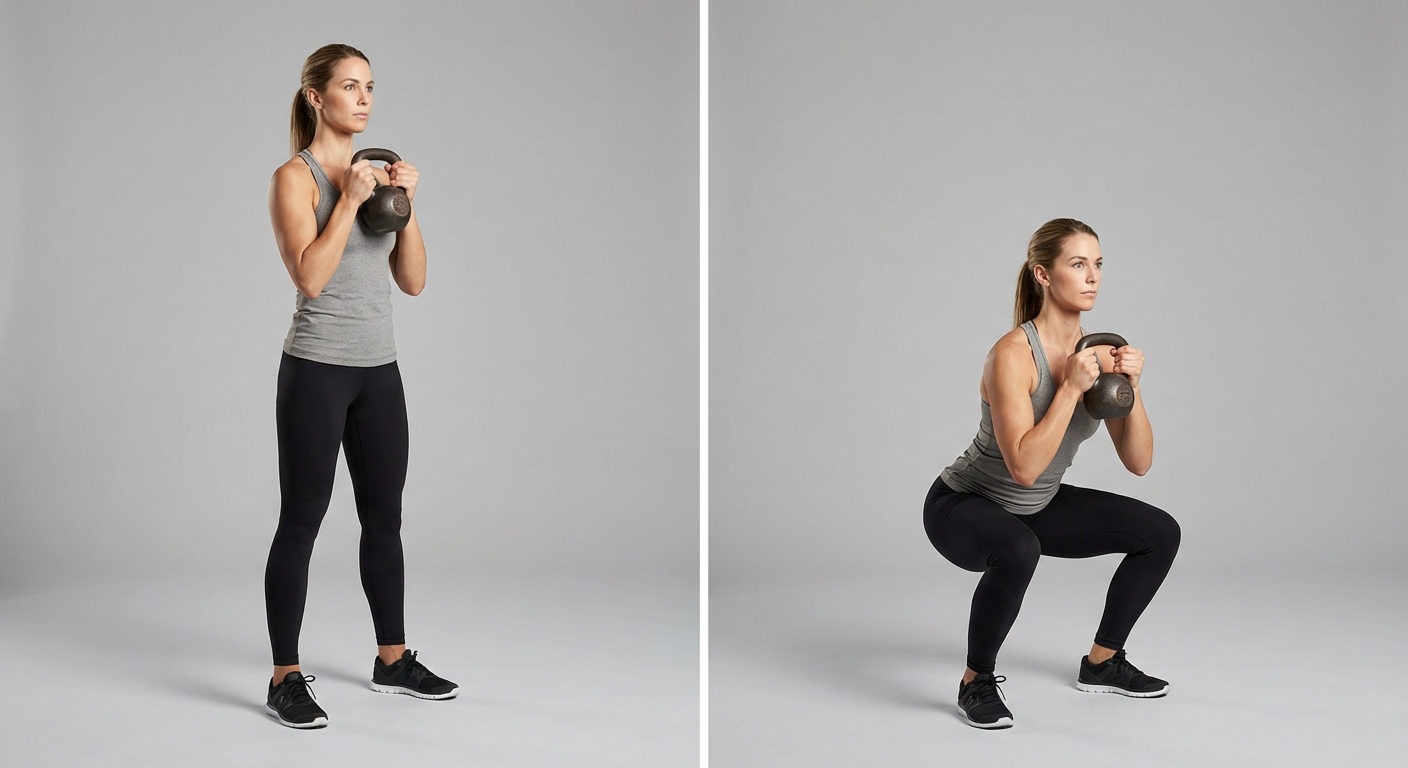
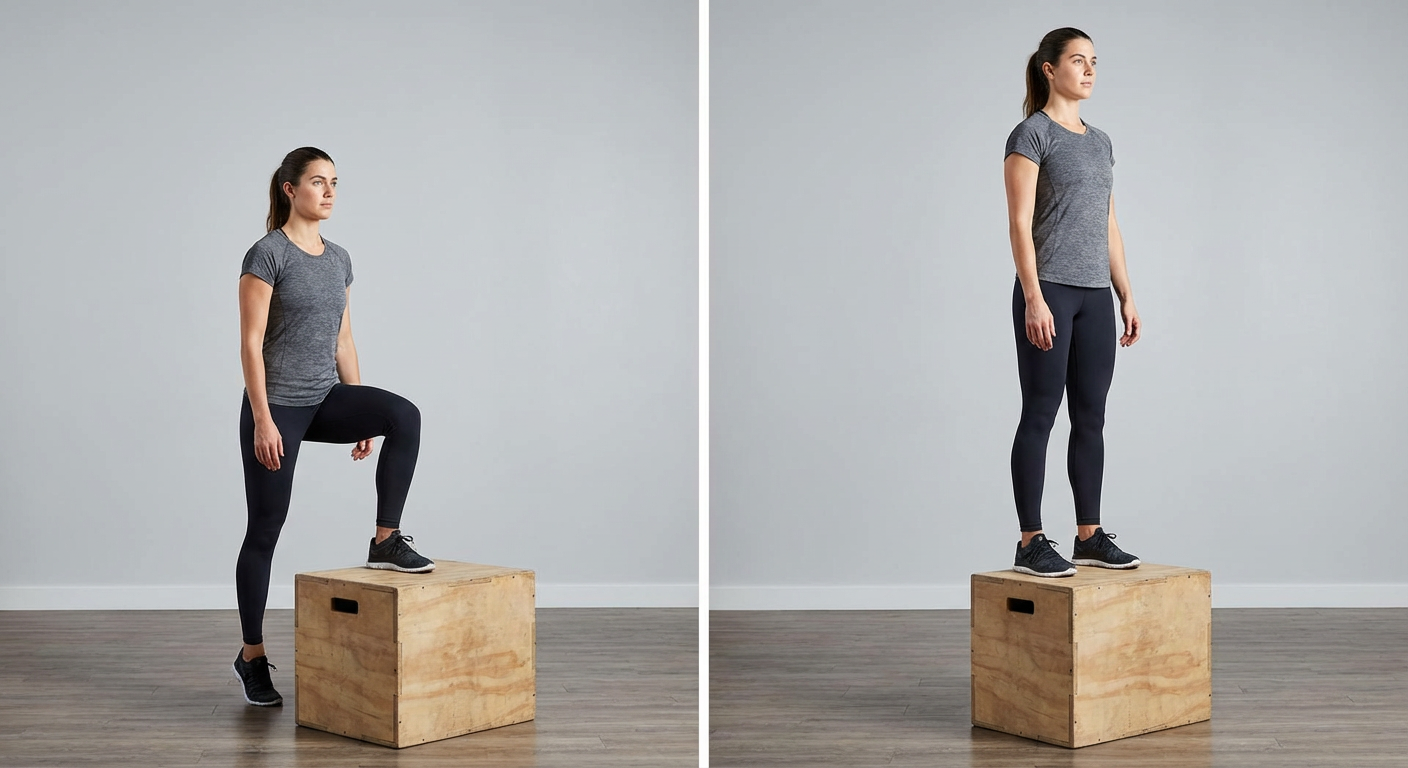
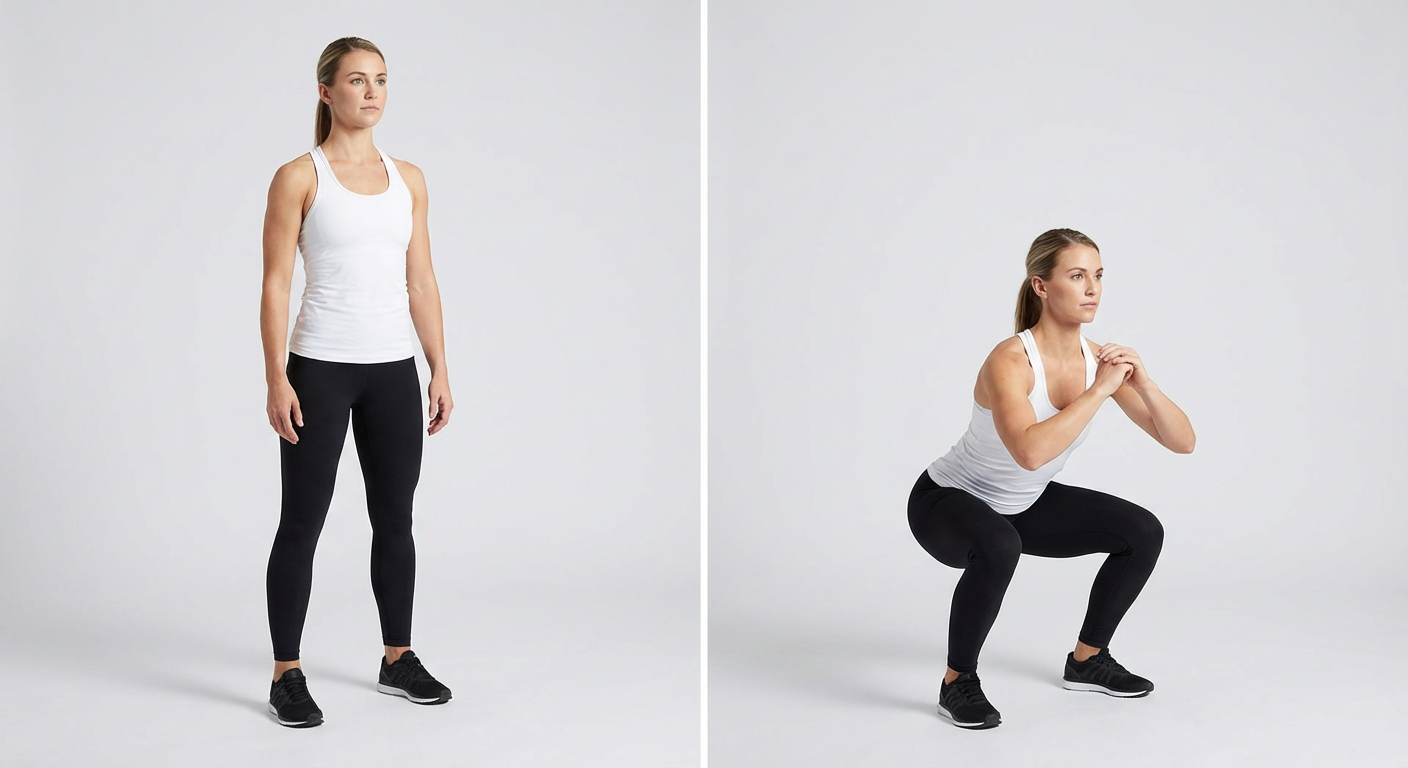
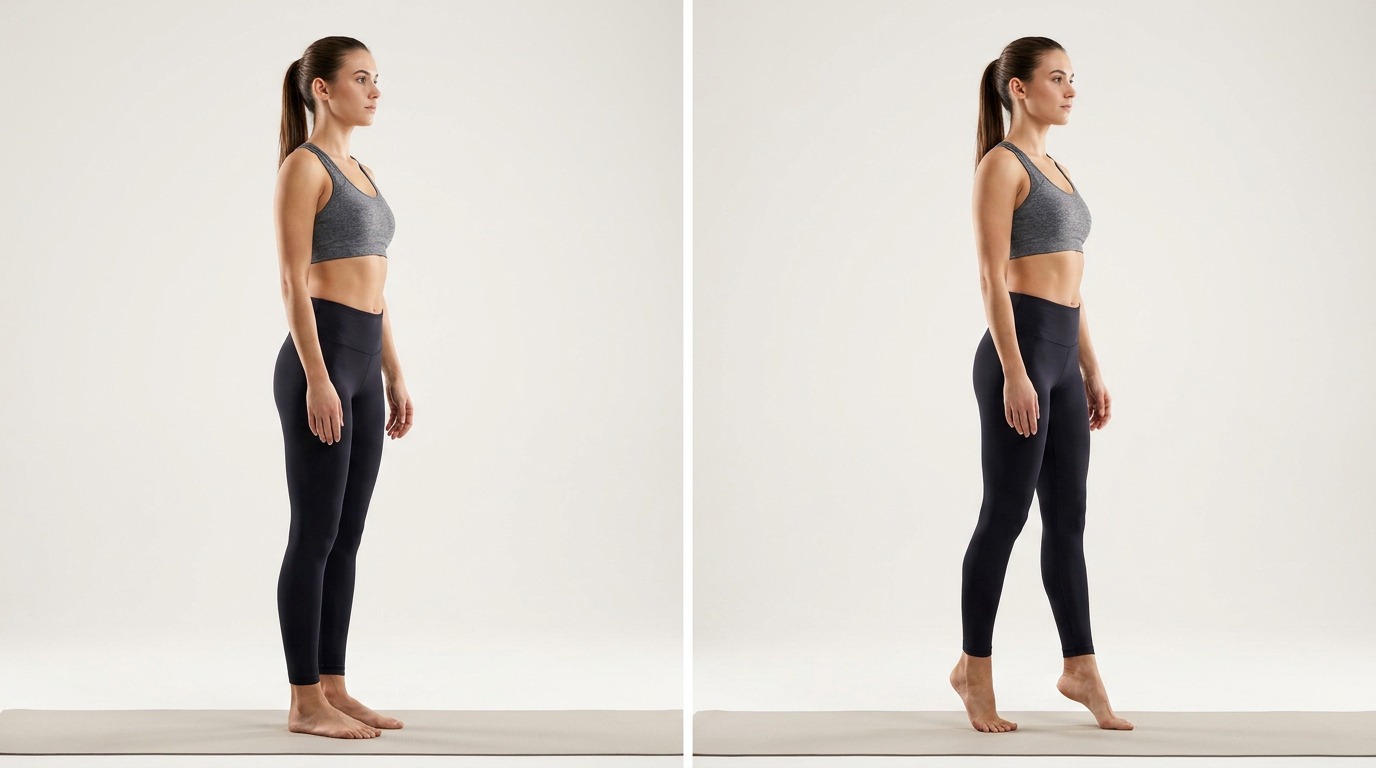
Exercises for the hip with photos and instructions.
Exercises for the hip focus on mobilising the hip and strengthening the gluteal and hip muscles. This not only helps your hip function better, but often also relieves your lower back and knees. The hip is the indispensable link between your torso and your legs and is involved in virtually every daily movement. A lot of sitting or one-sided loading can in practice cause the joint to feel stiff or the surrounding muscles to weaken. Below are examples you can discuss with your physiotherapist.
This page provides general information and is not a substitute for physiotherapy advice. If you have any complaints, consult a physiotherapist.
Exercise sheet · Hip · 8 exercises
Exercises for your hip
General examples with an image and a short explanation. Which exercises suit you is something you decide together with your physiotherapist.
-
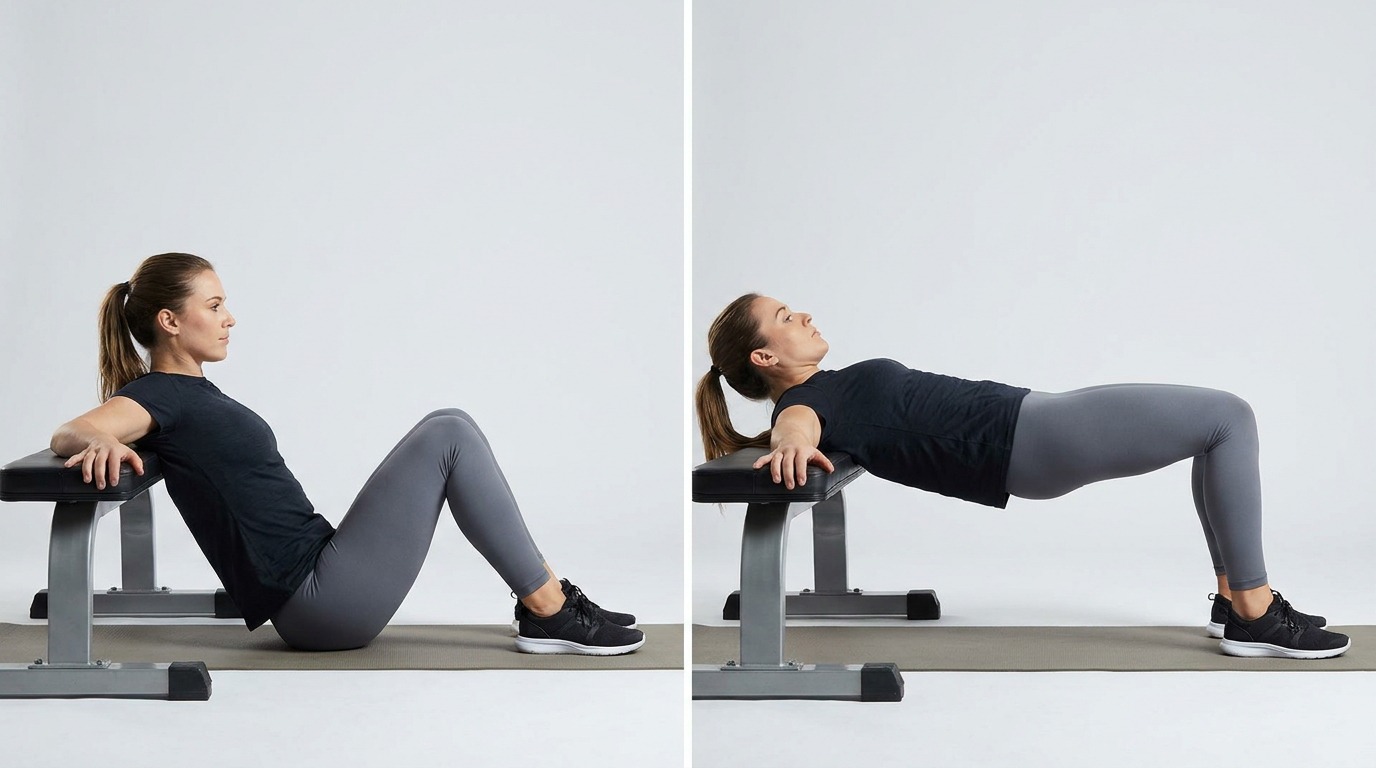
01Hip Thrust Bodyweight
Glutes · Hamstrings
Sit with your upper back against a bench and your feet flat on the floor at hip-width. Lower your hips until just above the floor and then drive them powerfully up until your body forms a straight line from your shoulders to your knees. Squeeze your glutes at the top and lower under control. Keep your chin slightly tucked to protect your neck.
-
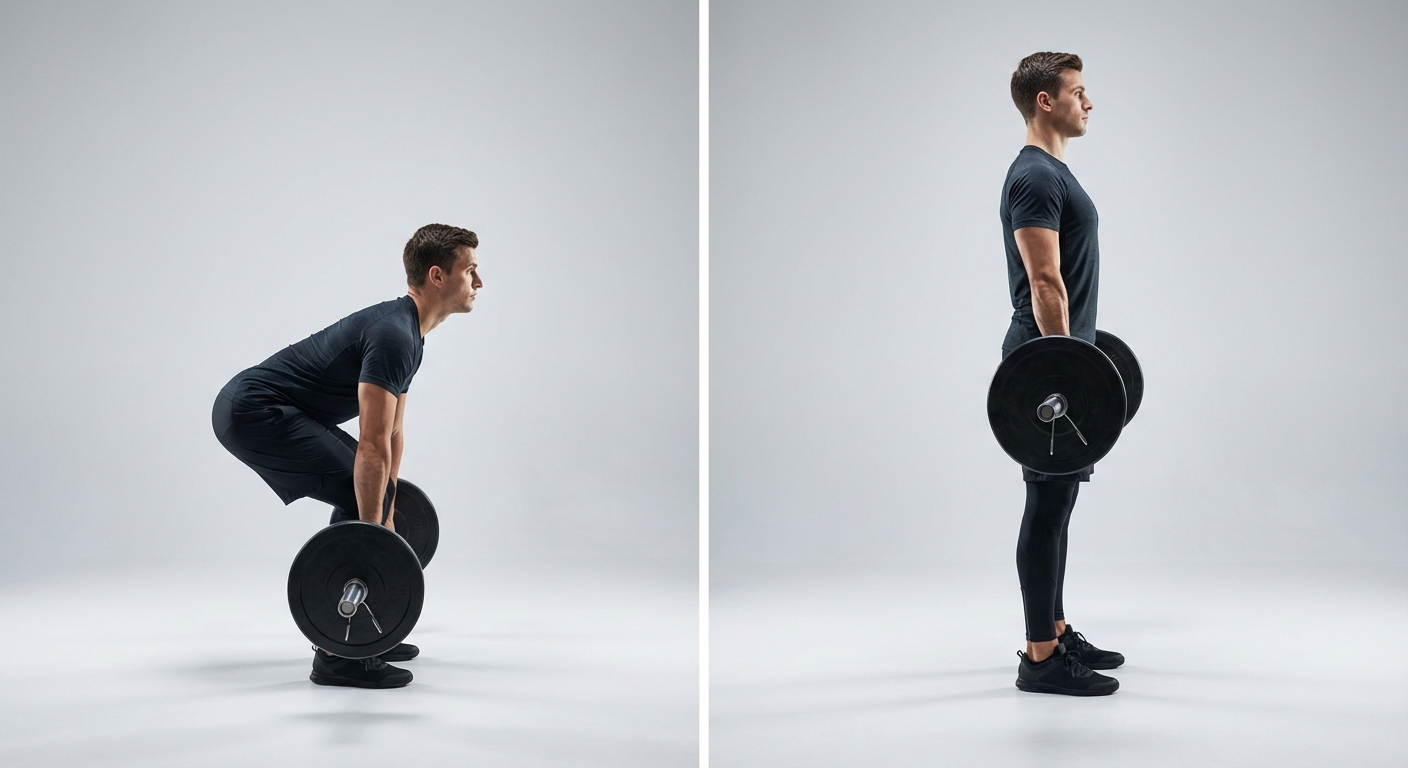
02Deadlift
Hamstrings · Glutes · Back Extensors
Stand with the barbell over your midfoot. Grip the bar and push the floor away while pulling the barbell up along your shins. Stand fully upright with extended hips and lower the bar under control back to the floor.
-
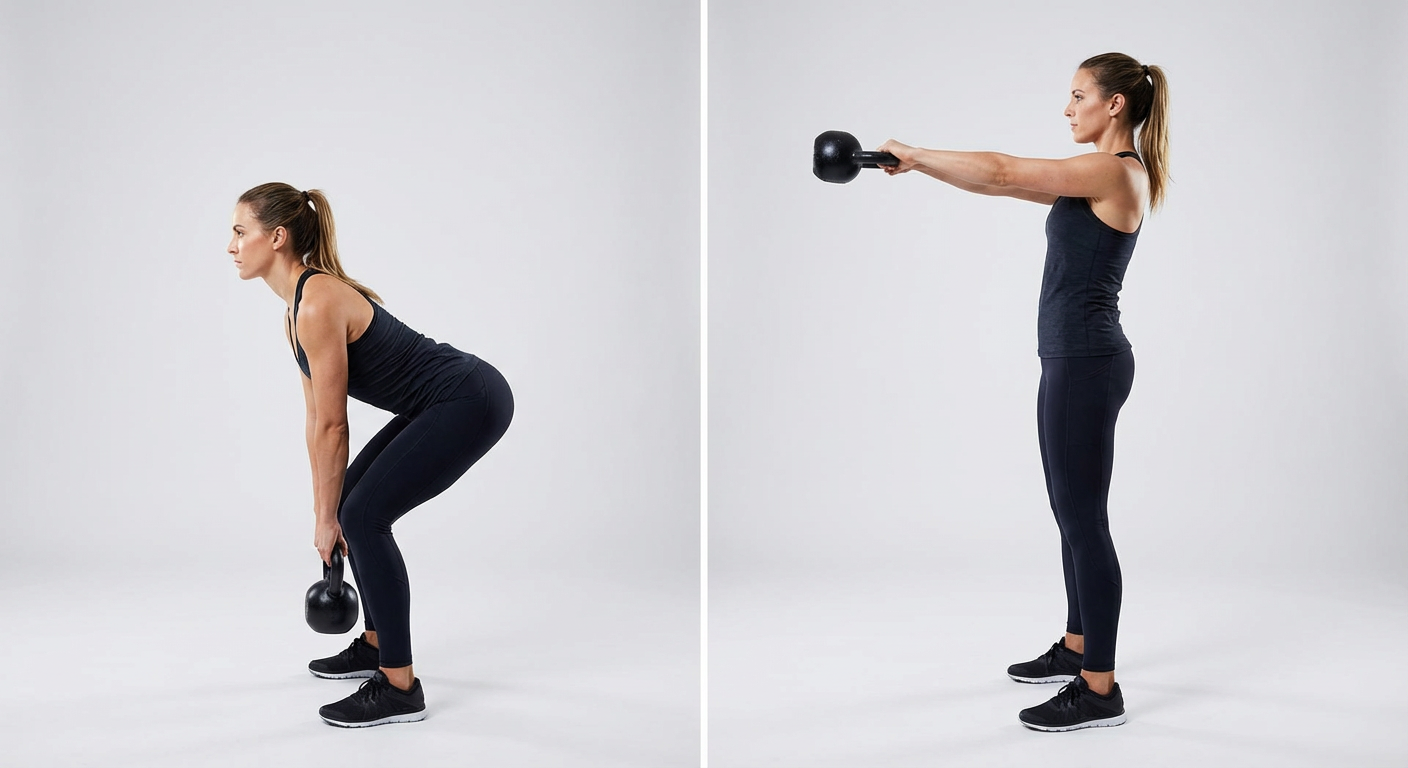
03Kettlebell Swing
Hamstrings · Glutes
Place the kettlebell in front of you and grip it. Drive the kettlebell explosively forward from your hips up to shoulder height. Let it swing back between your legs and repeat fluidly.
-
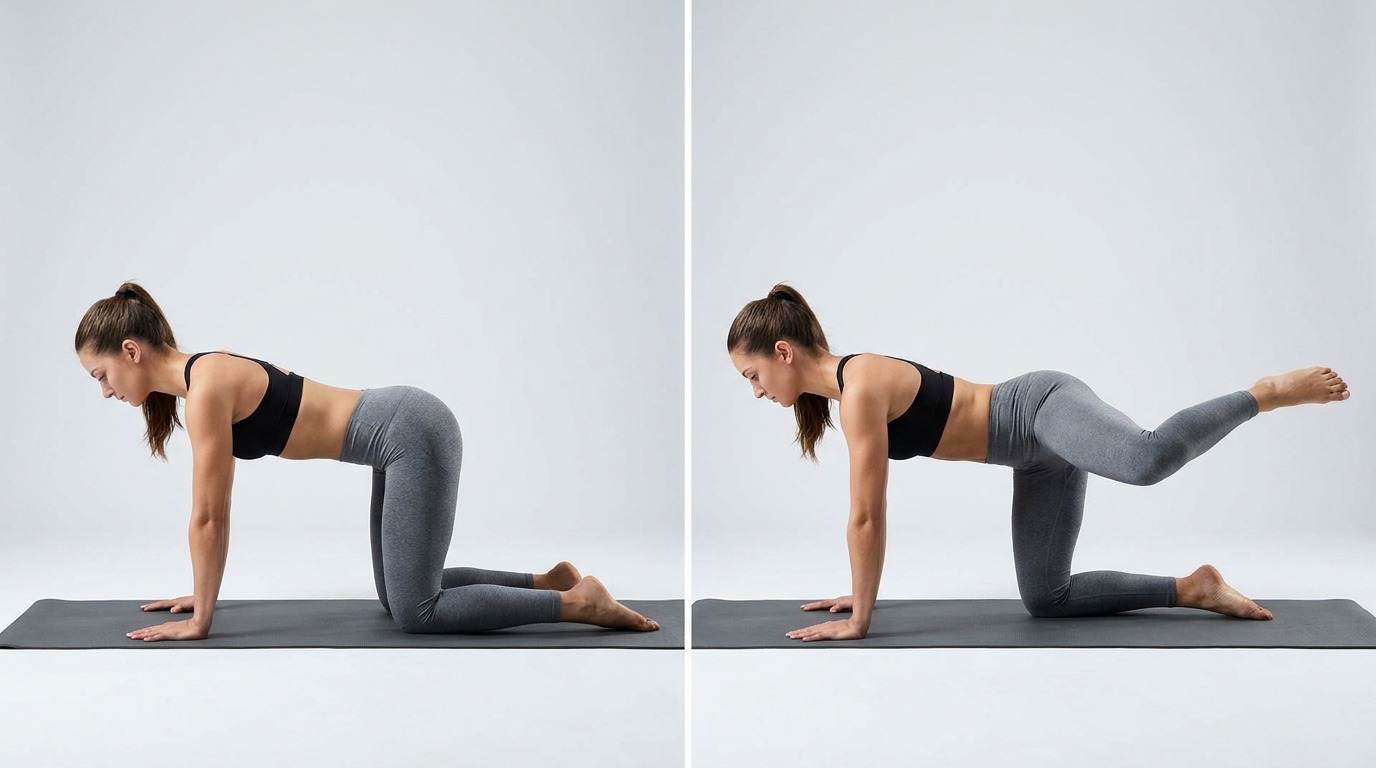
04Fire Hydrant
Glutes · Abductors
Get on your hands and knees with your wrists under your shoulders and your knees under your hips. Lift your right leg out to the side, knee bent, until your thigh is roughly parallel to the floor. Keep your hips level, you don't need to lean along. Lower the leg under control.
-
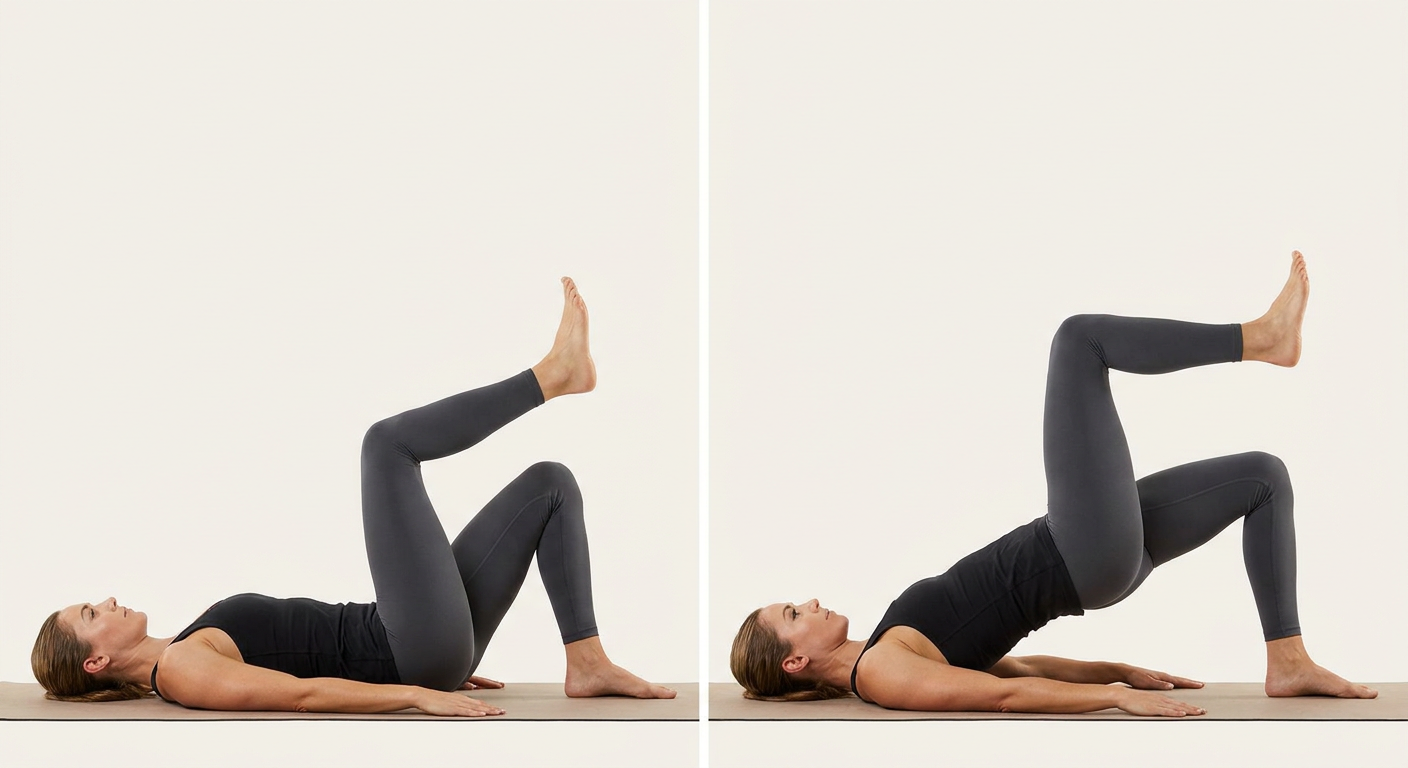
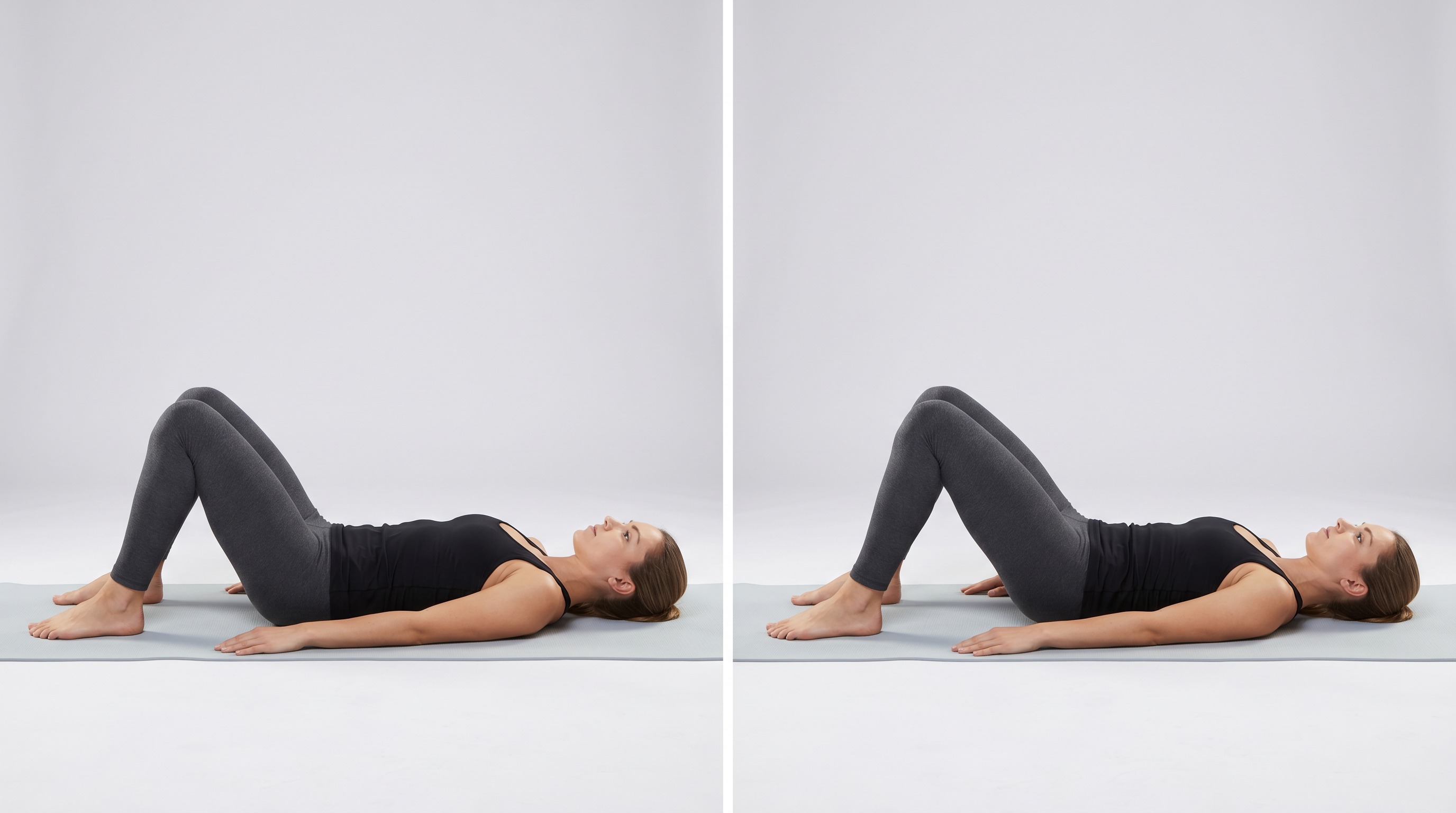
05Single-Leg Glute Bridge
Glutes · Hamstrings
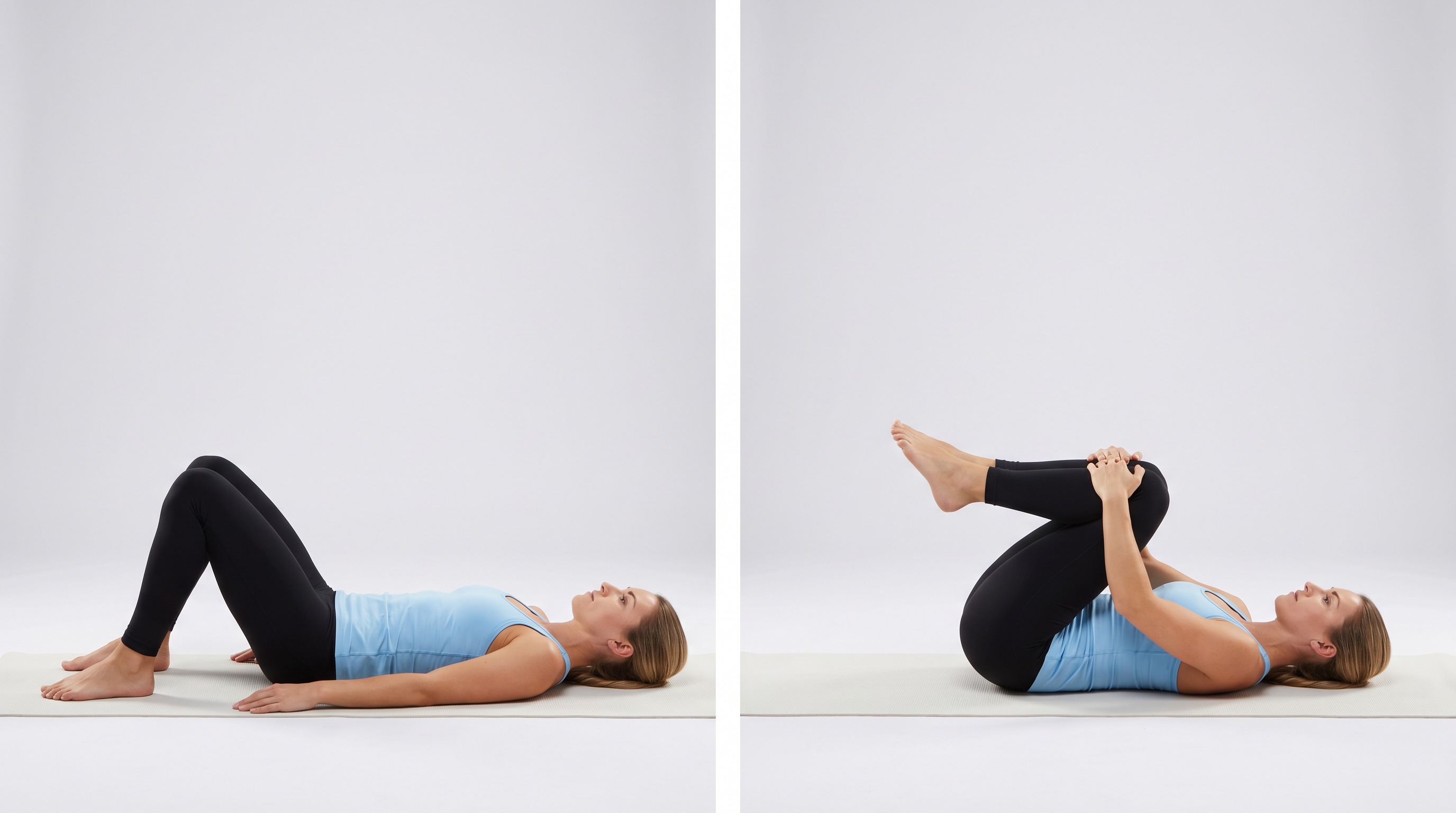
Lie on your back with your knees bent and your feet flat on the floor. Hold the other leg in a 90°-90° position. Drive your hips up through your standing leg until you form a straight line from your shoulders to your knee. Squeeze your glute at the top and lower under control.
-
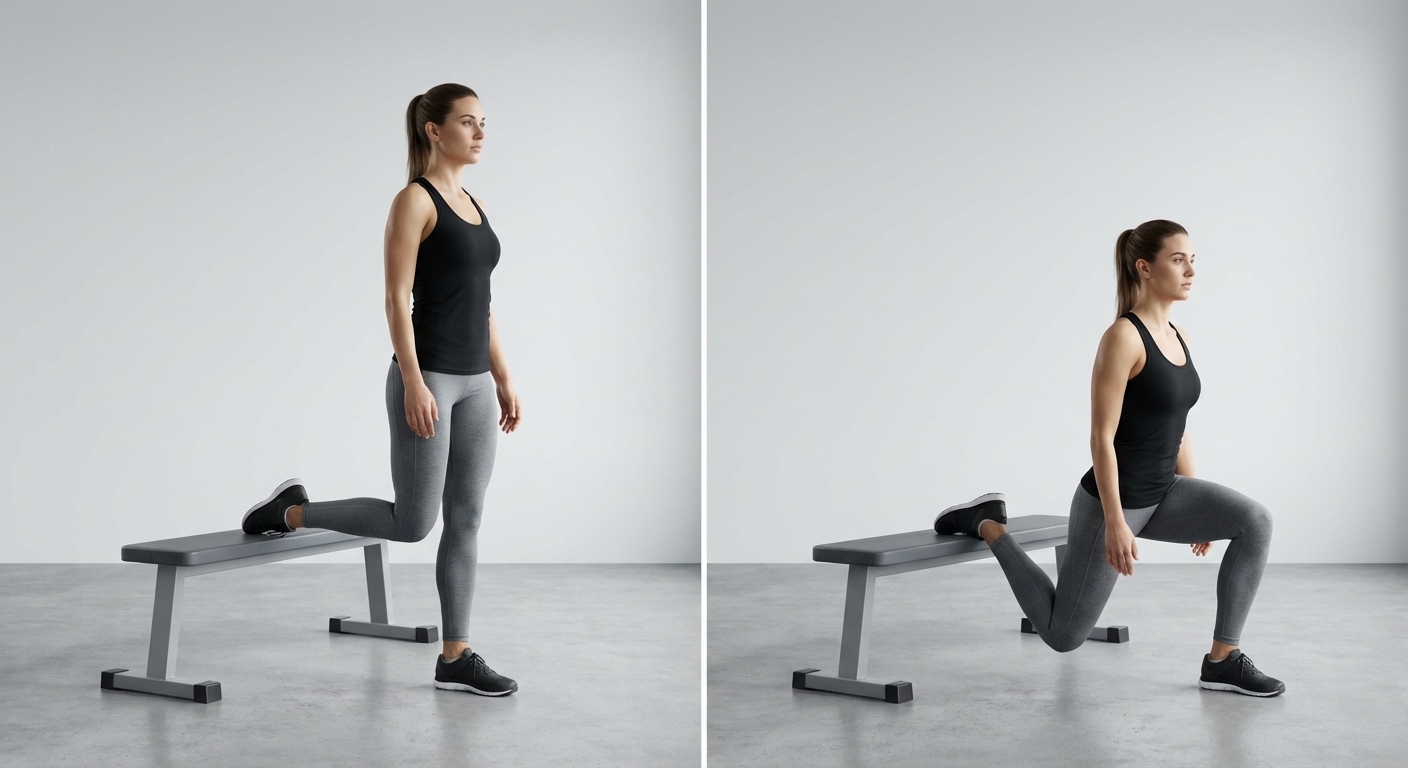
06Bulgarian Split Squat
Quadriceps · Glutes · Hamstrings
Stand with your back to a bench and place one foot behind you on it. Put all your weight on your front foot. Lower yourself under control toward the floor, keeping your front knee tracking straight. Drive back up by pushing the floor away under your front foot.
-
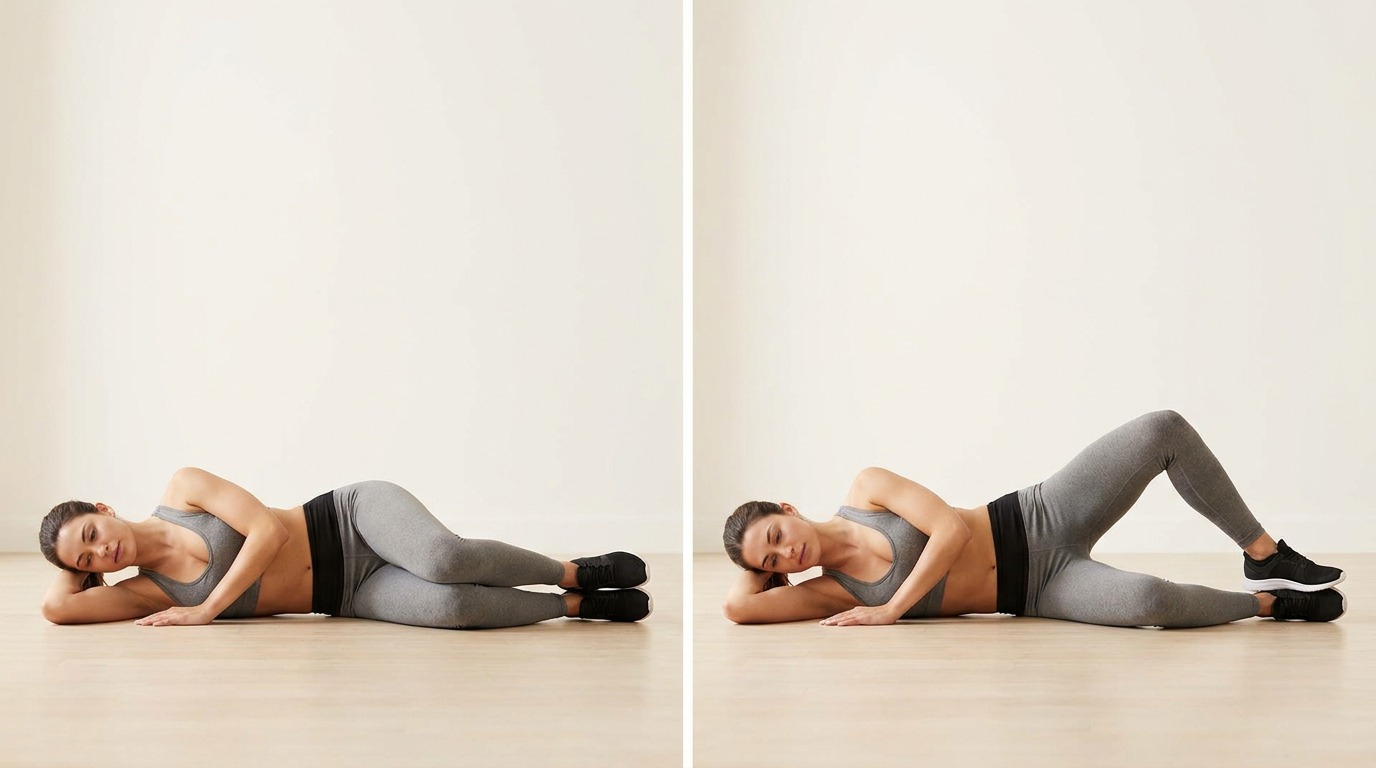
07Clamshell
Glutes · Abductors
Lie on your side with your knees bent and stacked, and your feet in line with your hips. Keep your feet together and open your top knee like a clamshell. Keep your hips still, they shouldn't roll backwards. Lower under control.
-
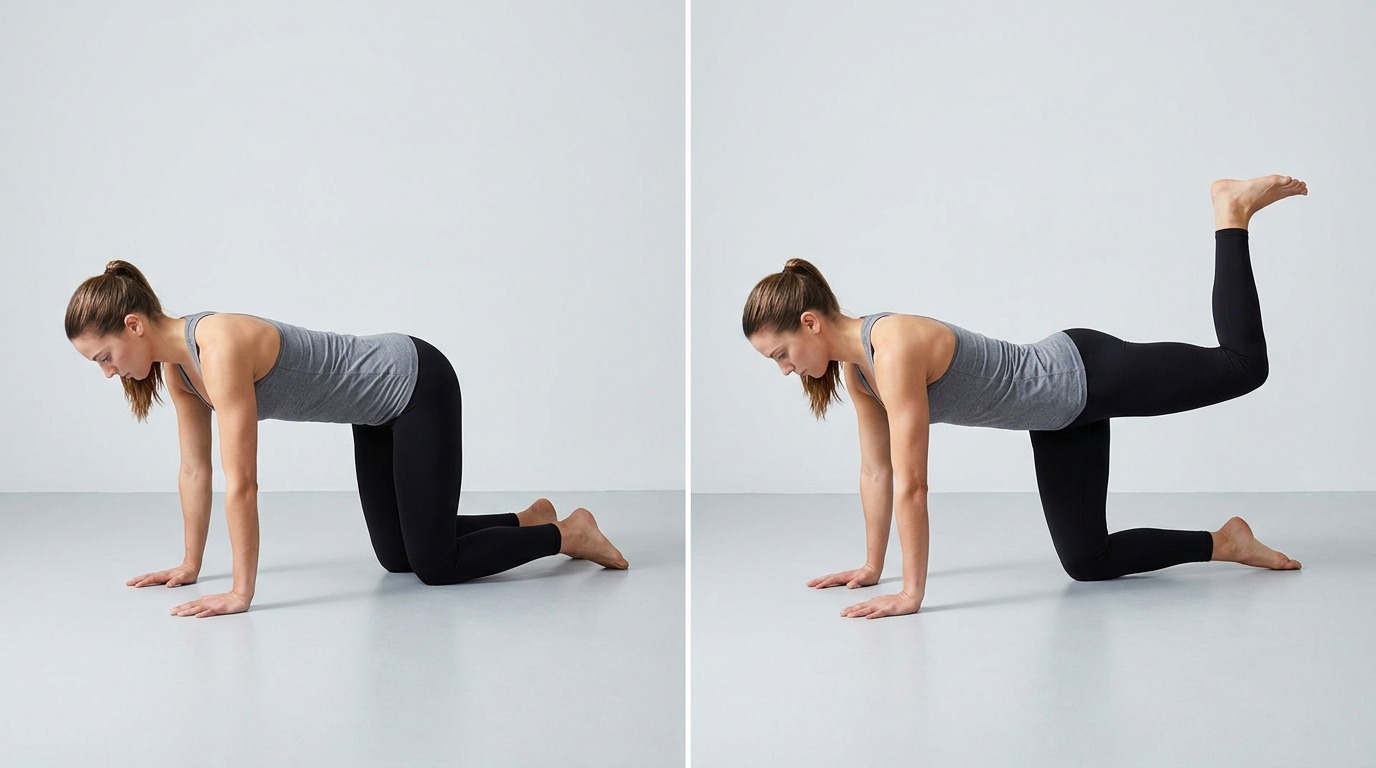
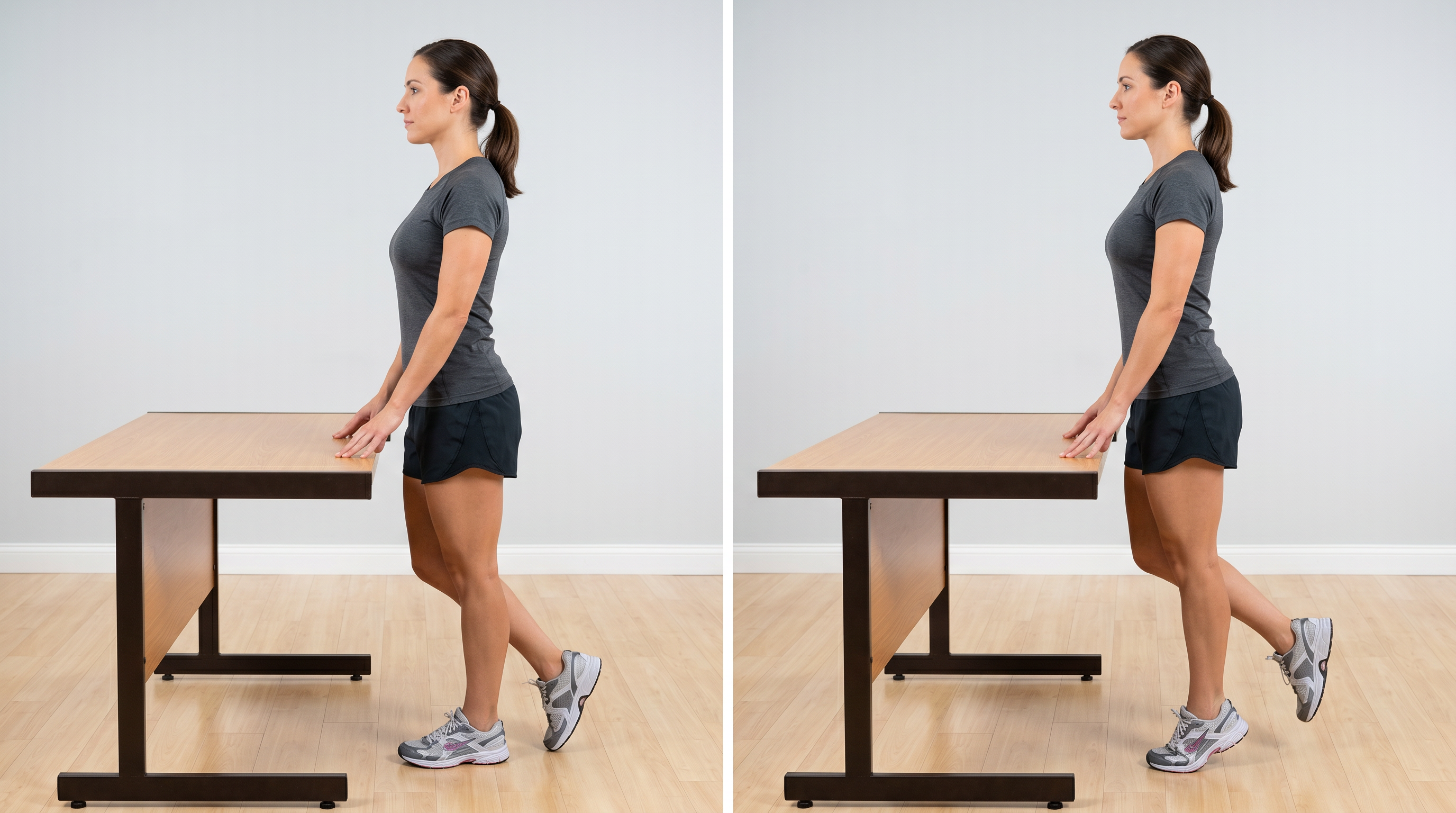
08Glute Kickback
Glutes · Hamstrings
Get on your hands and knees with your wrists under your shoulders and your knees under your hips. Keep your right knee bent and push your right foot towards the ceiling until your thigh is in line with your back. Lower under control. Keep your hips level, they don't need to rotate open.
This is how a physiotherapist turns these into a program.
A physiotherapist turns exercises like these into a personal program in seconds and shares it via a link. This is what that looks like on your phone.
Are you a physiotherapist yourself? This is how you build programs like this in secondsWhen should you see a physiotherapist?
Hip pain during movement or at rest? Or questions about training or load? A physiotherapist can help. Together you look at the cause and put together a plan that fits your situation.
Frequently asked questions
Do hip exercises help with hip osteoarthritis?
For hip osteoarthritis (coxarthrosis) exercises are often used to relieve pain and make the hip more mobile and stronger. Attention to the glutes, hip abductors and mobility of the joint is usually part of it. Which programme suits you depends on the phase and your daily loading, so always discuss this with a physiotherapist.
How often should I do hip exercises?
Frequency and progression differ per person and per complaint. That is why we deliberately do not mention numbers or schedules here. A physiotherapist tailors that to your loading capacity, situation and goal.
Can I just do these exercises myself?
The exercises on this page are general examples. If you have pain, a recent injury or doubt about the execution, do not start on your own but consult a physiotherapist first.
How do I take these exercises to my physiotherapist?
Use the “Take these exercises to your physio” button. Your physiotherapist can use Kinmo to put together a personal schedule from exercises like these in seconds and share it with you via a link.