Exercises for the core with photos and instructions.
Exercises for the core train the muscles around your trunk: your abdominal and back muscles, your pelvic floor and the muscles around your hips. Together they keep your trunk stable when you move, lift or play sport, and they transfer force between your legs and your arms. A strong core is more than a six-pack: it is about muscles that work together at the right moment. Below are examples with photos and instructions.
This page provides general information and is not a substitute for physiotherapy advice. If you have any complaints, consult a physiotherapist.
Exercise sheet · Core · 10 exercises
Exercises for your core
General examples with an image and a short explanation. Which exercises suit you is something you decide together with your physiotherapist.
-
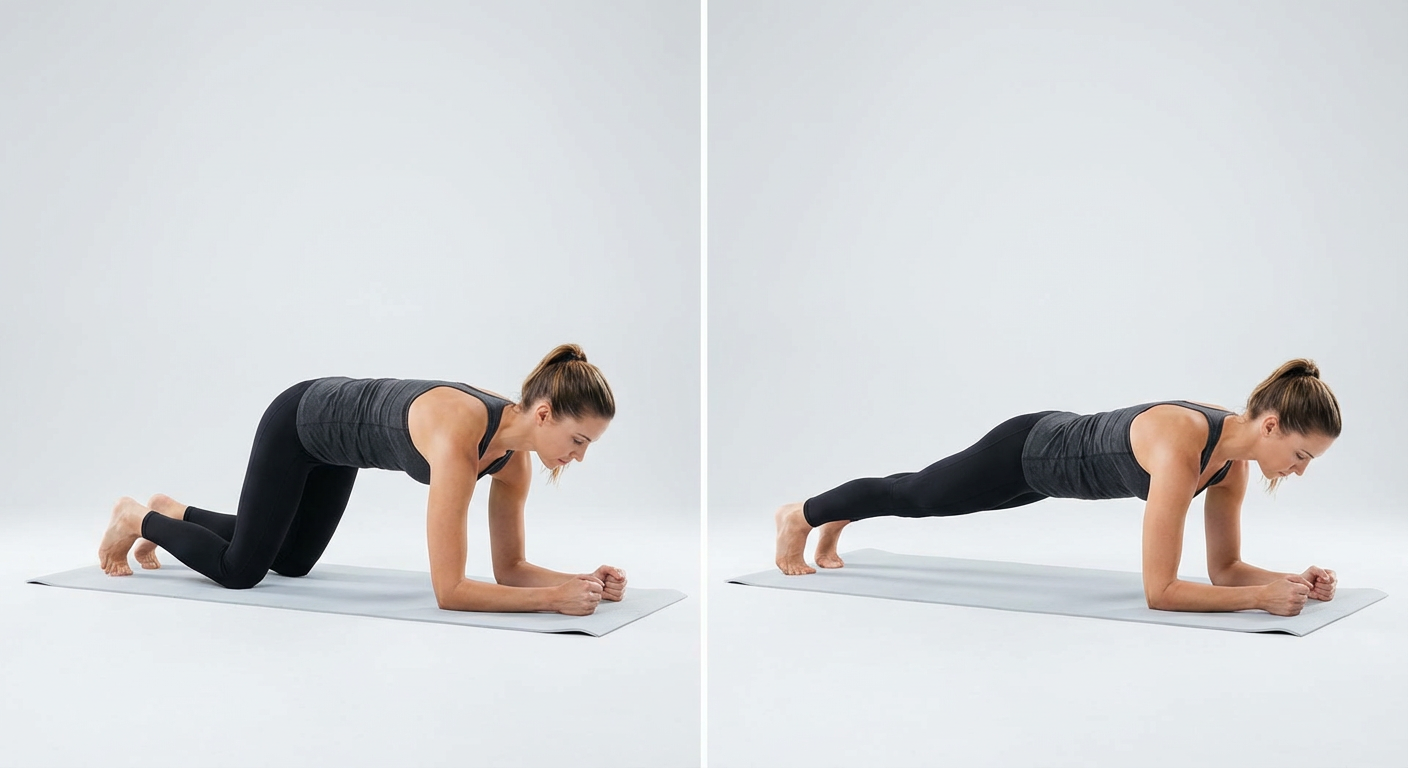
01Plank
Abs
Support yourself on your forearms and toes. Keep your body in a straight line like a plank. Stay stable without letting your hips sag. Hold the tension.
-
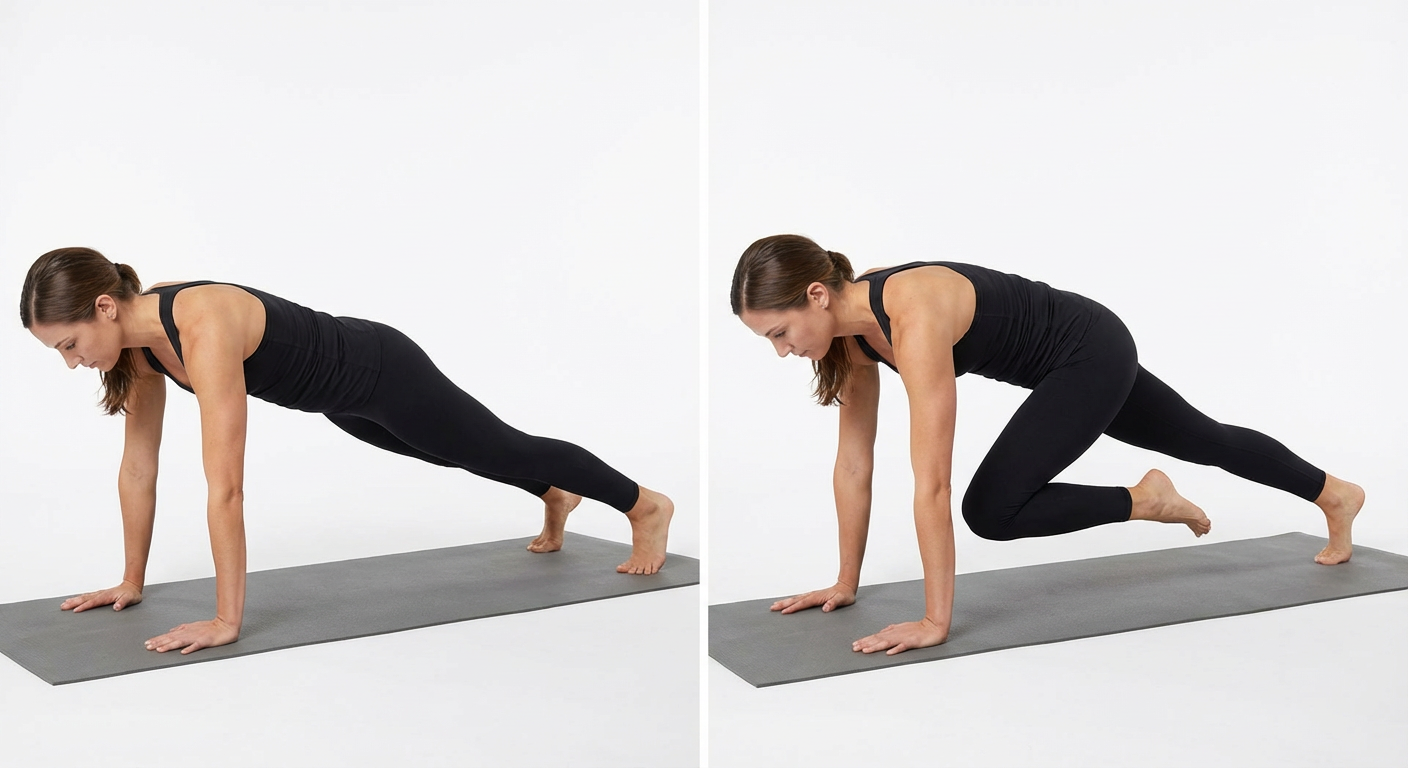
02Mountain Climbers
Abs
Start in a plank position. Drive your knees alternately toward your chest as if running on the floor. Keep your core stable.
-
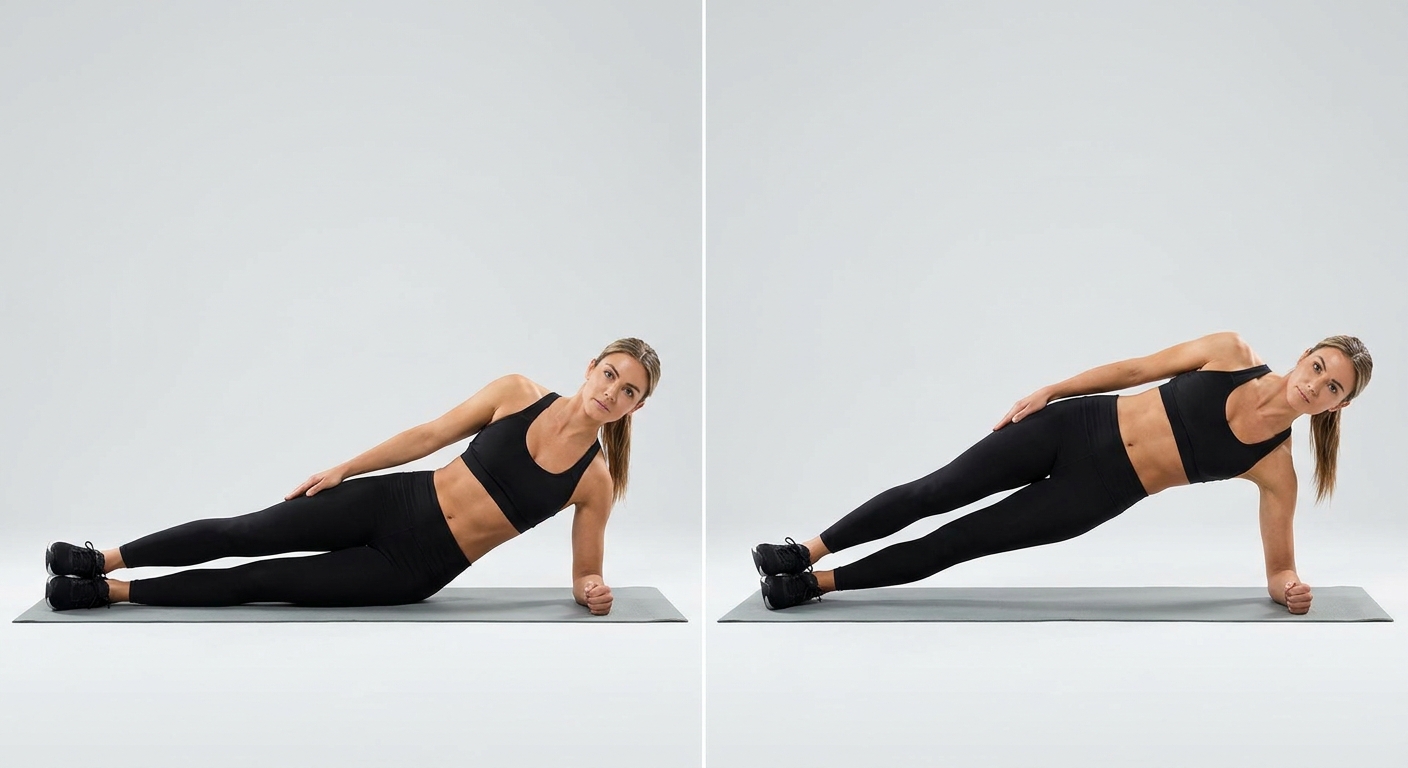
03Side Plank
Schuine buikspieren · Abs
Lie on your side and support yourself on your forearm directly under your shoulder, with your legs straight and your feet stacked. Lift your hips until your body forms a straight line from your head to your feet. Keep your torso stable and don't let your hip sag. Hold the tension.
-
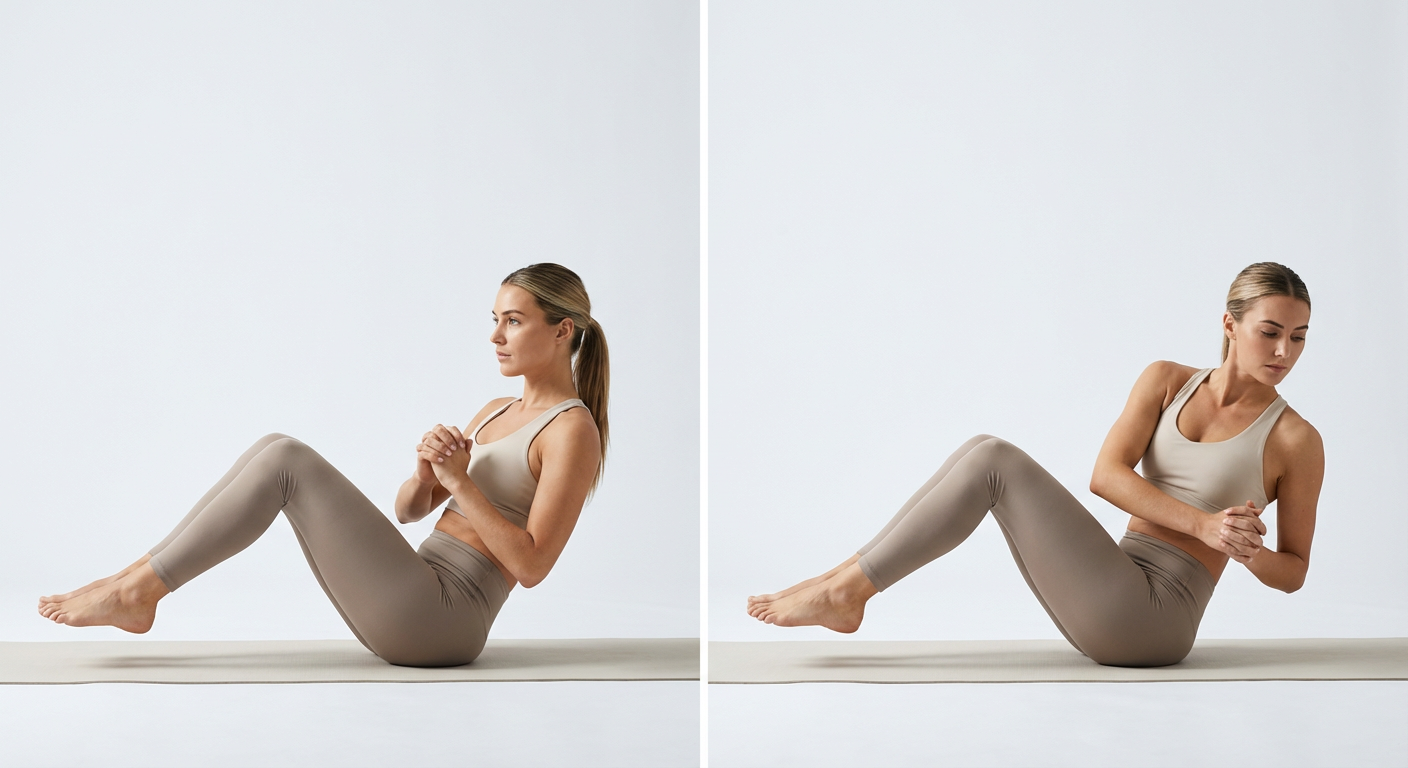
04Russian Twist
Abs · Schuine buikspieren
Sit with your upper body leaning slightly back. Rotate your torso from left to right as if placing an object beside you. Keep the movement controlled.
-
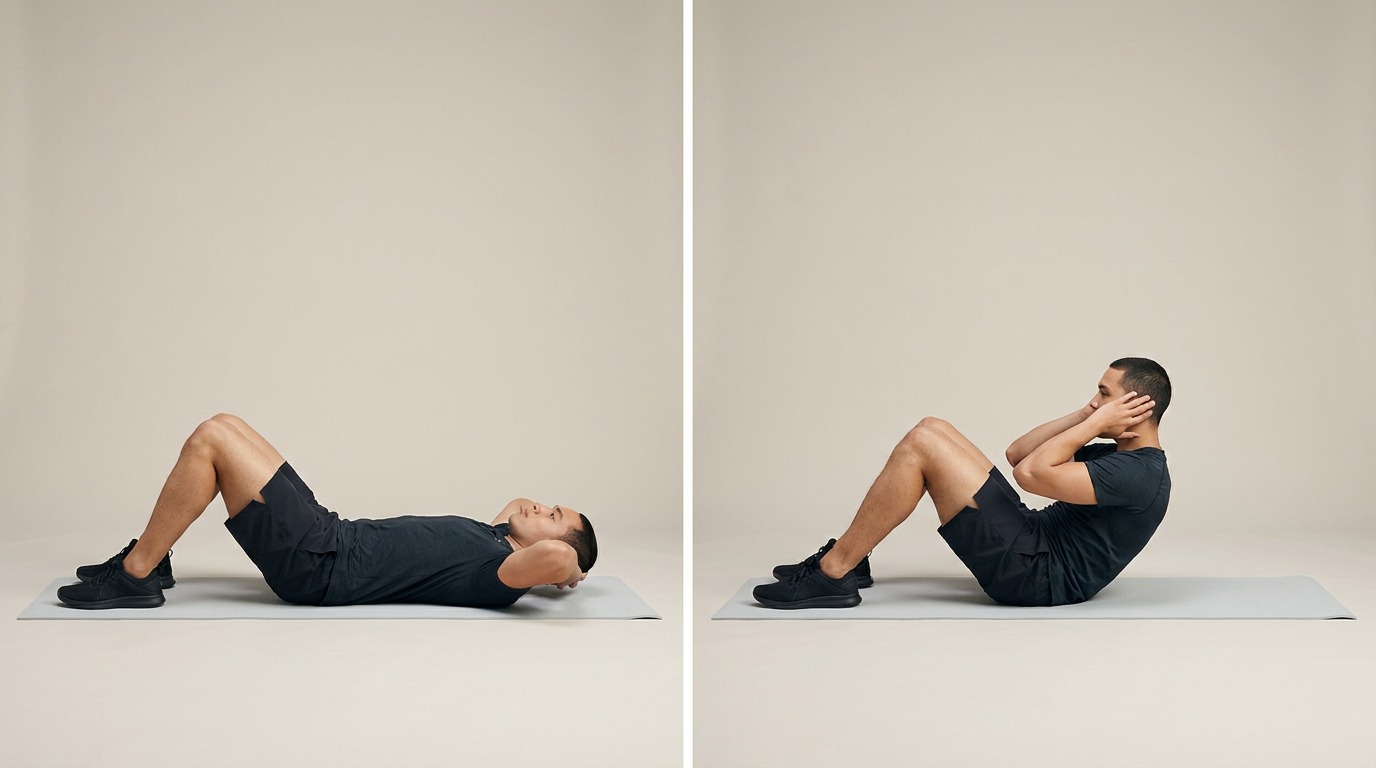
05Sit Up
Abs
Lie on your back with your knees bent and your feet flat on the floor. Place your hands lightly behind your head or in front of your chest. Roll your upper body up under control until you are sitting upright. Then lower back to the mat slowly, vertebra by vertebra. Don't pull on your neck with your hands.
-
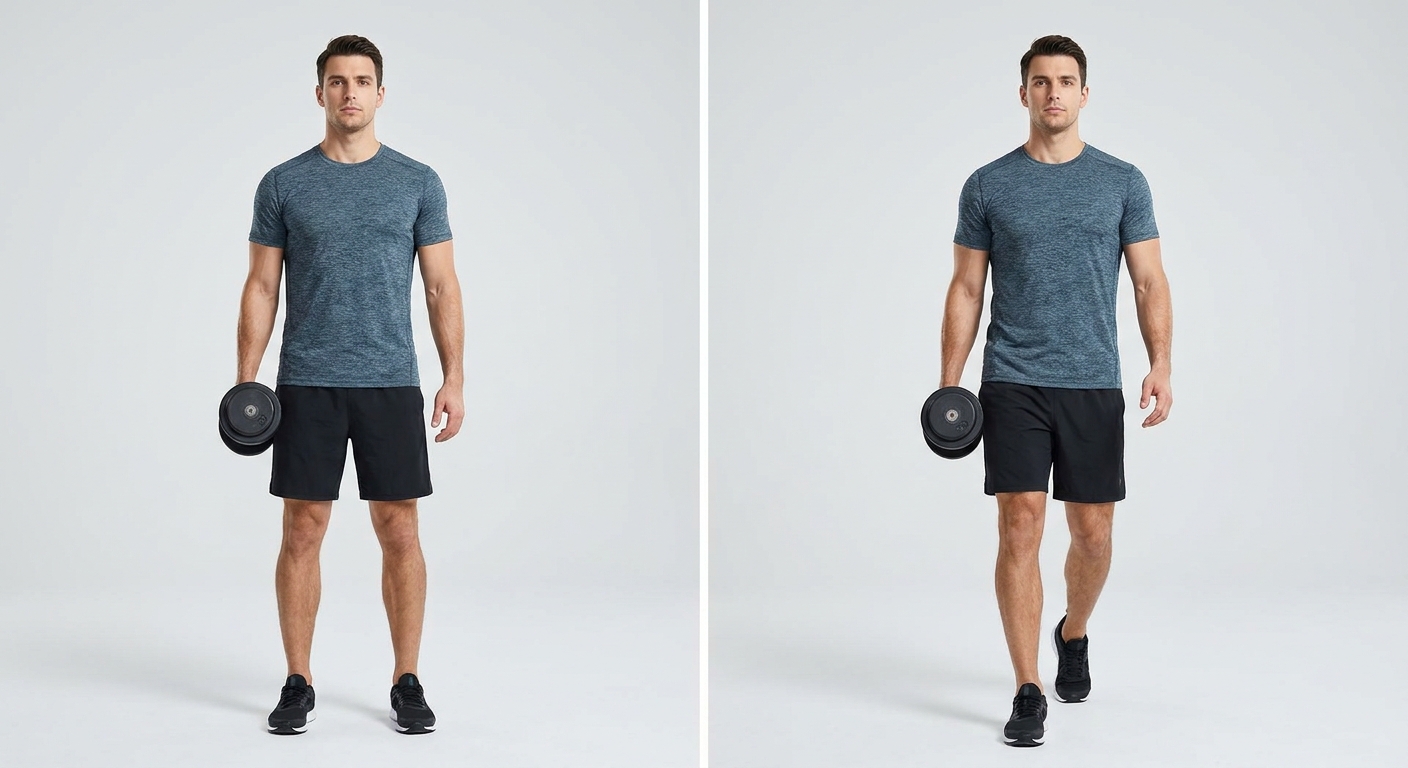
06Suitcase Carry
Schuine buikspieren · Abs
Stand upright with a weight in one hand beside your body and your other arm free. Walk forward calmly while keeping your torso straight and not leaning toward the side of the weight. Keep your shoulders level and your torso upright. Walk a number of steps and switch the weight to your other hand.
-
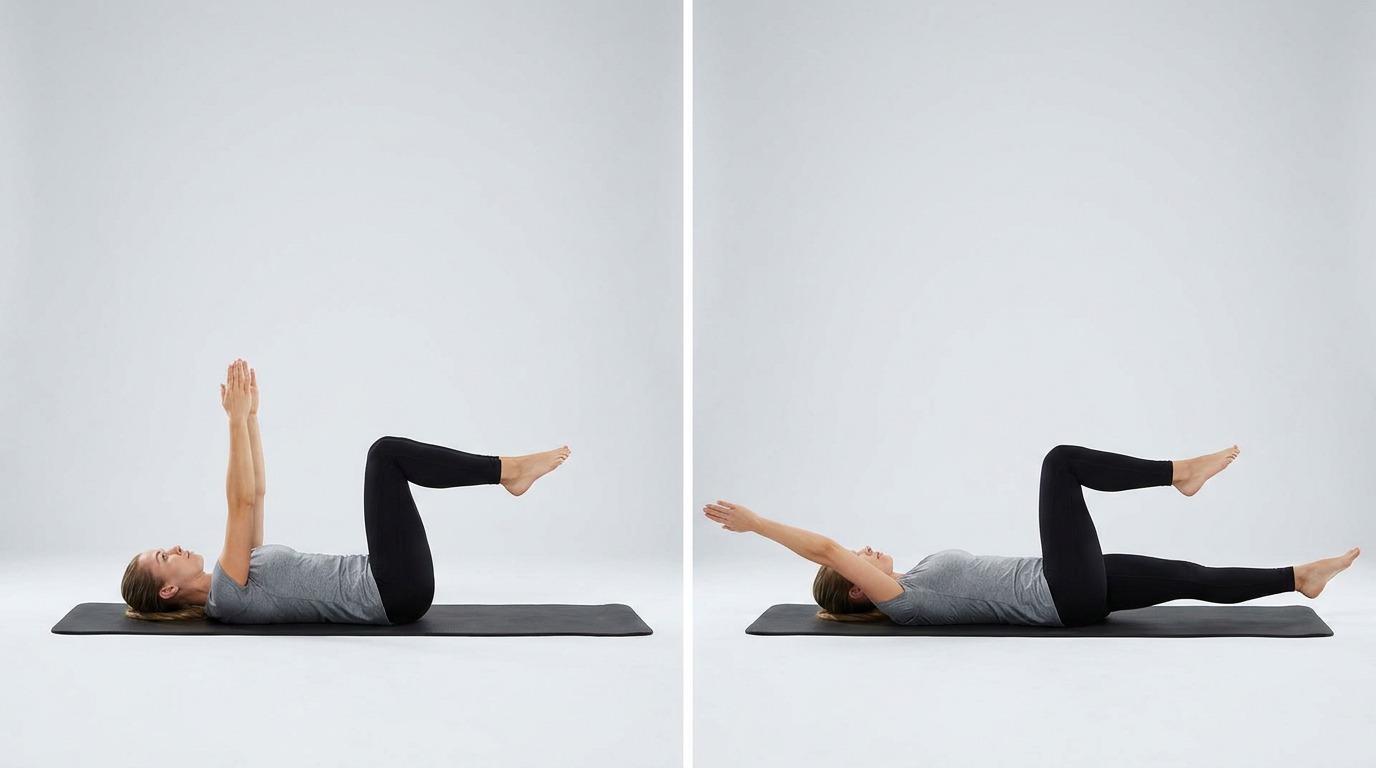
07Dead Bug
Abs
Lie on your back with your arms extended straight up and your hips and knees bent at 90 degrees. Extend your right arm back overhead and your left leg forward at the same time, to just above the floor. Keep your lower back actively pressed into the mat so no gap forms underneath. Return.
-
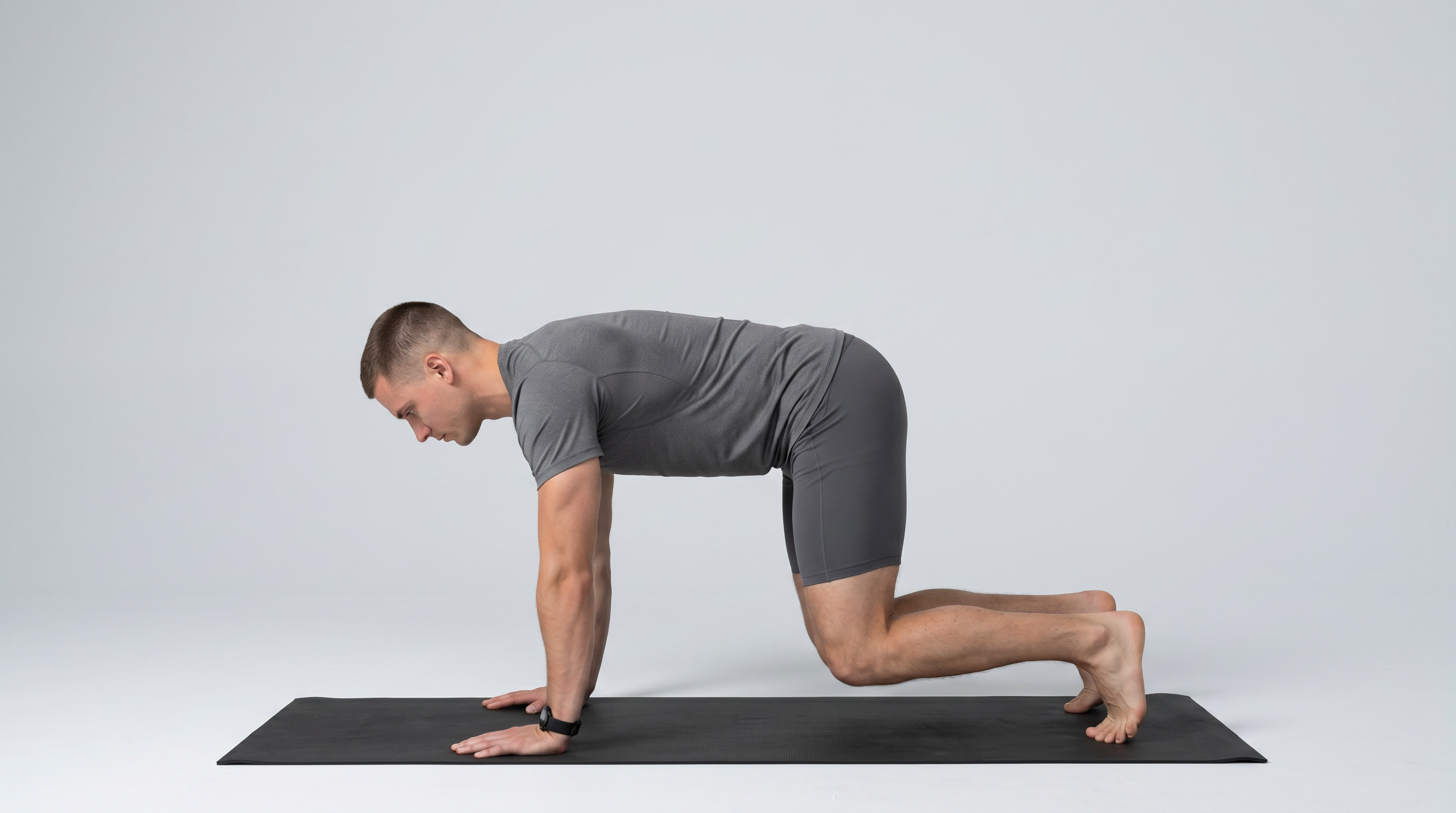
08Bear Hold
Abs
Get on your hands and knees with your hands under your shoulders and your knees under your hips. Lift your knees a few centimetres off the floor by pushing your toes into the floor while keeping your back flat. Keep your torso still and don't let your lower back sag. Hold the tension.
-
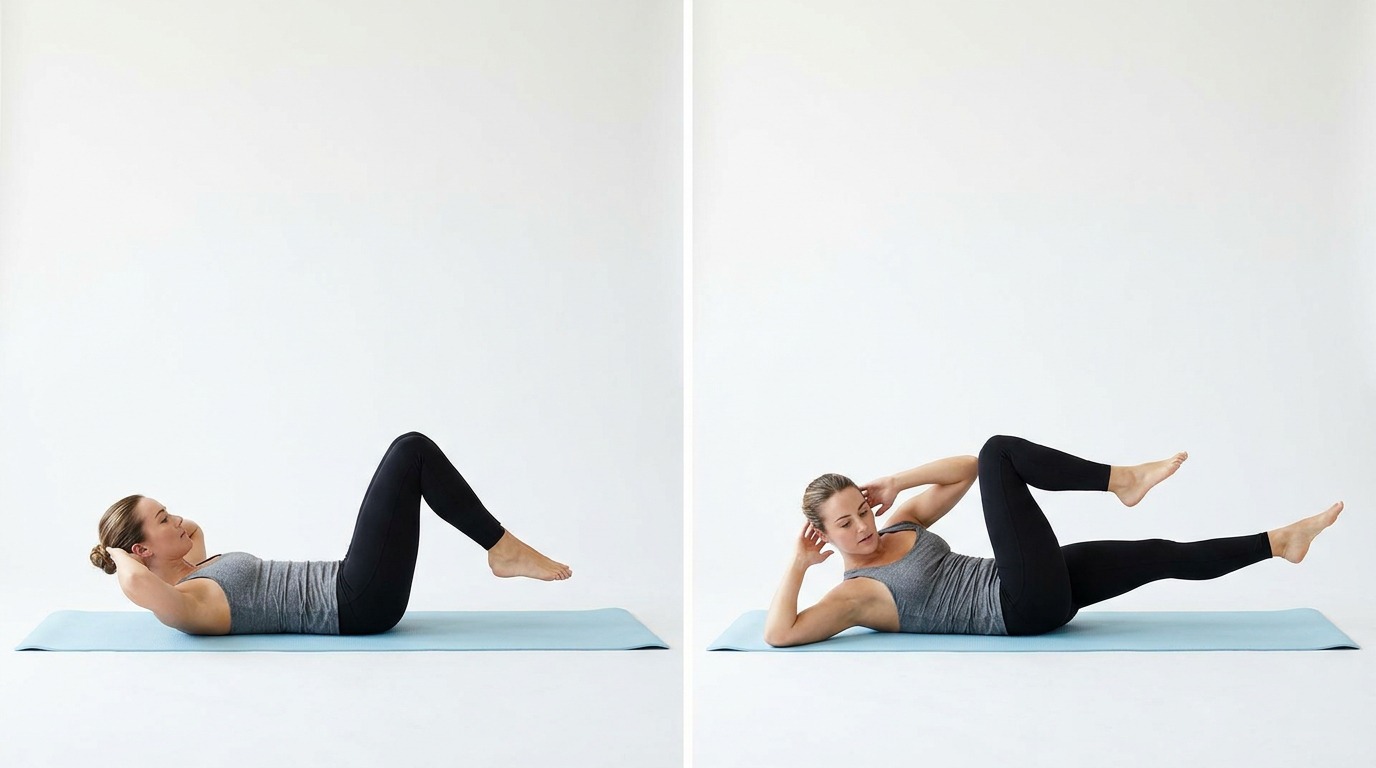
09Bicycle Crunch
Abs · Schuine buikspieren
Lie on your back with your hands lightly behind your head and your legs bent at hip height. Extend your right leg and rotate your left elbow towards your right knee. Alternate sides in a controlled bicycling motion. Don't pull on your neck with your hands, they only support.
-
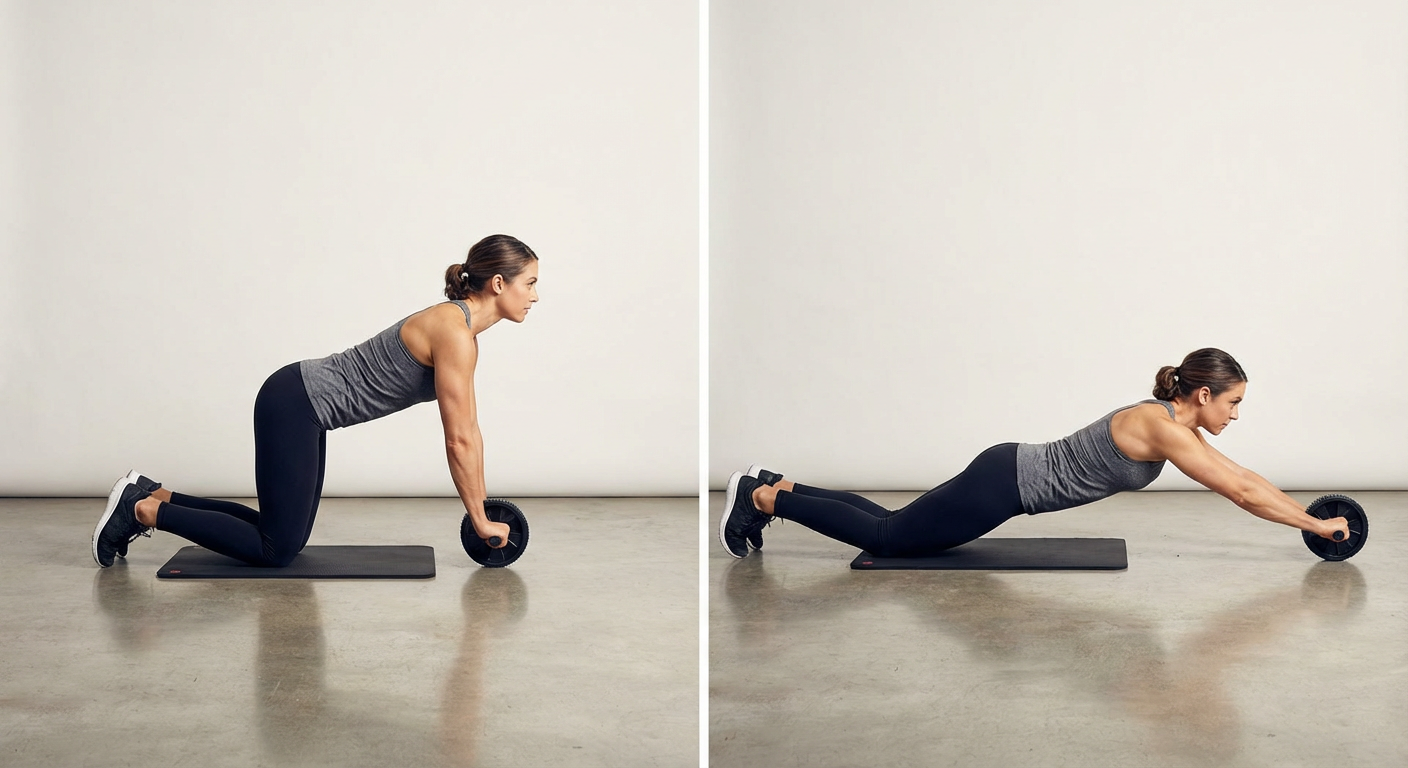
10Ab Wheel Rollout
Abs
Start on your knees with the ab wheel directly under your shoulders. Slowly roll the wheel forward along the floor while your body moves as one straight plank. Keep your hips stable and prevent your lower back from sagging. Pull the wheel back to your knees under control.
This is how a physiotherapist turns these into a program.
A physiotherapist turns exercises like these into a personal program in seconds and shares it via a link. This is what that looks like on your phone.
Are you a physiotherapist yourself? This is how you build programs like this in secondsWhen should you see a physiotherapist?
Back, abdominal or pelvic pain during movement or at rest? Or questions about training or load? A physiotherapist can help. Together you look at the cause and put together a plan that fits your situation.
Frequently asked questions
What exactly is the core?
By the core we mean the muscles around your trunk: the abdominal muscles, including the deep ones, the back muscles, the pelvic floor and the diaphragm. They keep your trunk stable so your arms and legs can produce force. Which exercises suit you depends on your goal and your complaints. A physiotherapist helps you choose.
How often should I do core exercises?
Frequency and progression differ per person and per complaint. That is why we deliberately do not mention numbers or schedules here. A physiotherapist tailors that to your loading capacity, situation and goal.
Can I just do these exercises myself?
The exercises on this page are general examples. If you have pain, a recent injury or doubt about the execution, do not start on your own but consult a physiotherapist first.
How do I take these exercises to my physiotherapist?
Use the “Take these exercises to your physio” button. Your physiotherapist can use Kinmo to put together a personal schedule from exercises like these in seconds and share it with you via a link.